Frequently Asked Questions
Frequently Asked Questions
Clear answers to questions about participating, qualifying, and building prototypes.
Is this a training programme or a hackathon?
+
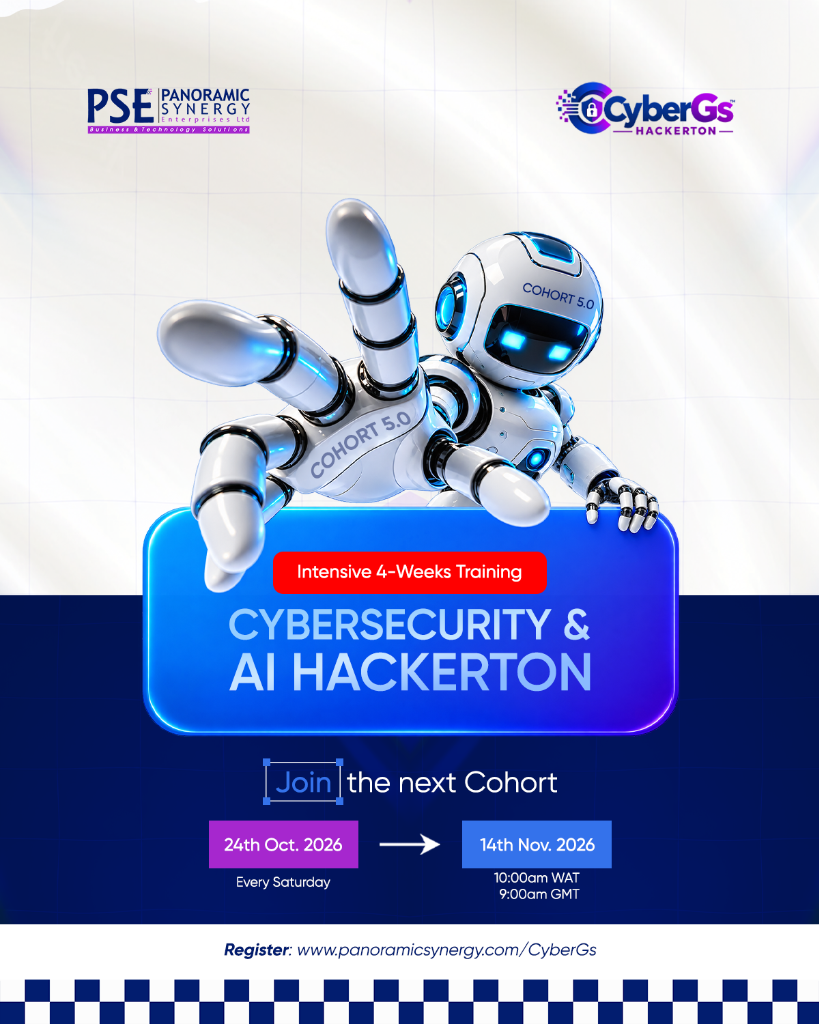
It is a four-week hackathon that begins with structured cybersecurity and AI training. Training is part of the competition foundation to equip every participant with necessary knowledge.
Do I need to be an expert to participate?
+
No prior master-level expertise is required. Week 1 provides a common foundational training curriculum. You are expected to learn actively, solve problems, and contribute enthusiastically.
How many champions start the competition?
+
The competition kicks off with 250 starting participants in Week 1.
How many participants qualify for Week 2?
+
The top 150 highest-scoring eligible participants from the Week 1 Qualifying Examination proceed to Week 2.
How many participants reach Week 3?
+
48 participants qualify from the Week 2 research, SIEM practical lab, video challenge, and public voting stage.
How many reach the Week 4 Grand Finale?
+
15 finalists, organized into 3 final teams of 5, advance to develop and present the global solution prototype.
Will I keep the same team throughout the 4 weeks?
+
No. Team structures change dynamically during the hackathon. Week 3 specifically reassigns participants into 16 new teams of 3 to test adaptability and innovation.
Do I have to build a production-ready application?
+
No. The final objective is a functional cybersecurity solution prototype with demonstrable core features. Full enterprise cloud deployment is outside the four-week scope.
Why is SIEM (Security Monitoring) included?
+
SIEM exposure gives participants hands-on experience with security monitoring, log ingest, alert investigation, and telemetry, grounding their prototype in real-world SecOps.
Can I use AI tools and "Vibe Coding"?
+
Yes, within official rules. AI-assisted development and vibe coding are encouraged for rapid research and prototyping, but you must audit and remain responsible for your code's security and behavior.
Will the hackathon be livestreamed?
+
Yes! Major milestones—including training highlights, research presentations, innovation pitches, and prototype judging—will be streamed live on YouTube and social channels.
Can the public vote during the hackathon?
+
Yes. Public voting windows occur at designated stages (such as Week 2 and Week 3) under published auditing rules, supporting advancement and People's Choice awards.
Does public voting alone decide the technical winners?
+
No. Expert judge panels independently evaluate technical merit, threat model validity, and prototype functionality. In Week 3, the ratio is 80% Expert Judges and 20% Public Voting.
Will the final prototypes definitely be deployed globally?
+
The goal is to create prototypes with potential for public benefit. Public release depends on post-hackathon security, privacy, licensing, technical readiness, and sustainability reviews.